Prologue
I stand before a painting. Around me are countless visitors to the exhibition, but for a moment they all seem to vanish, leaving me alone with the artwork.
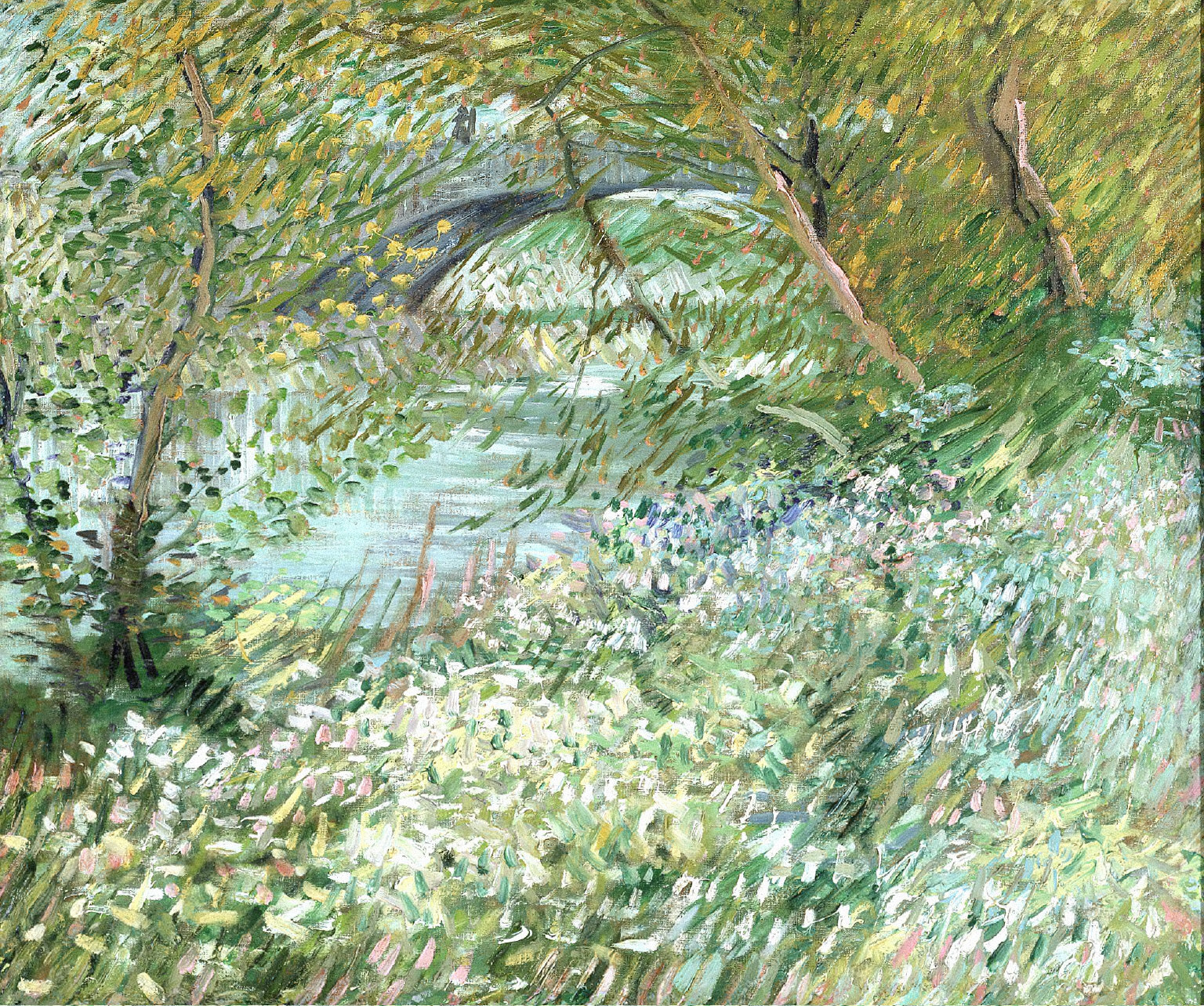
It depicts an utterly ordinary riverside meadow, with a few small trees growing haphazardly. Through the branches, glimpses of clean river surface and a stone arch bridge in the distance emerge; there appears to be a figure on the bridge. Wildflowers carpet the ground, and leaves tinged with yellow amid the green speak of a fresh spring day.
These details emerged upon closer observation. But at first glance, before distinguishing any individual elements, what struck me was an endless expanse of green and yellow, subtly interspersed with hints of pink and lavender. These colors shift through hundreds of nuances in intensity and tone across the canvas, creating this soft, comforting, and luminous spring scene.
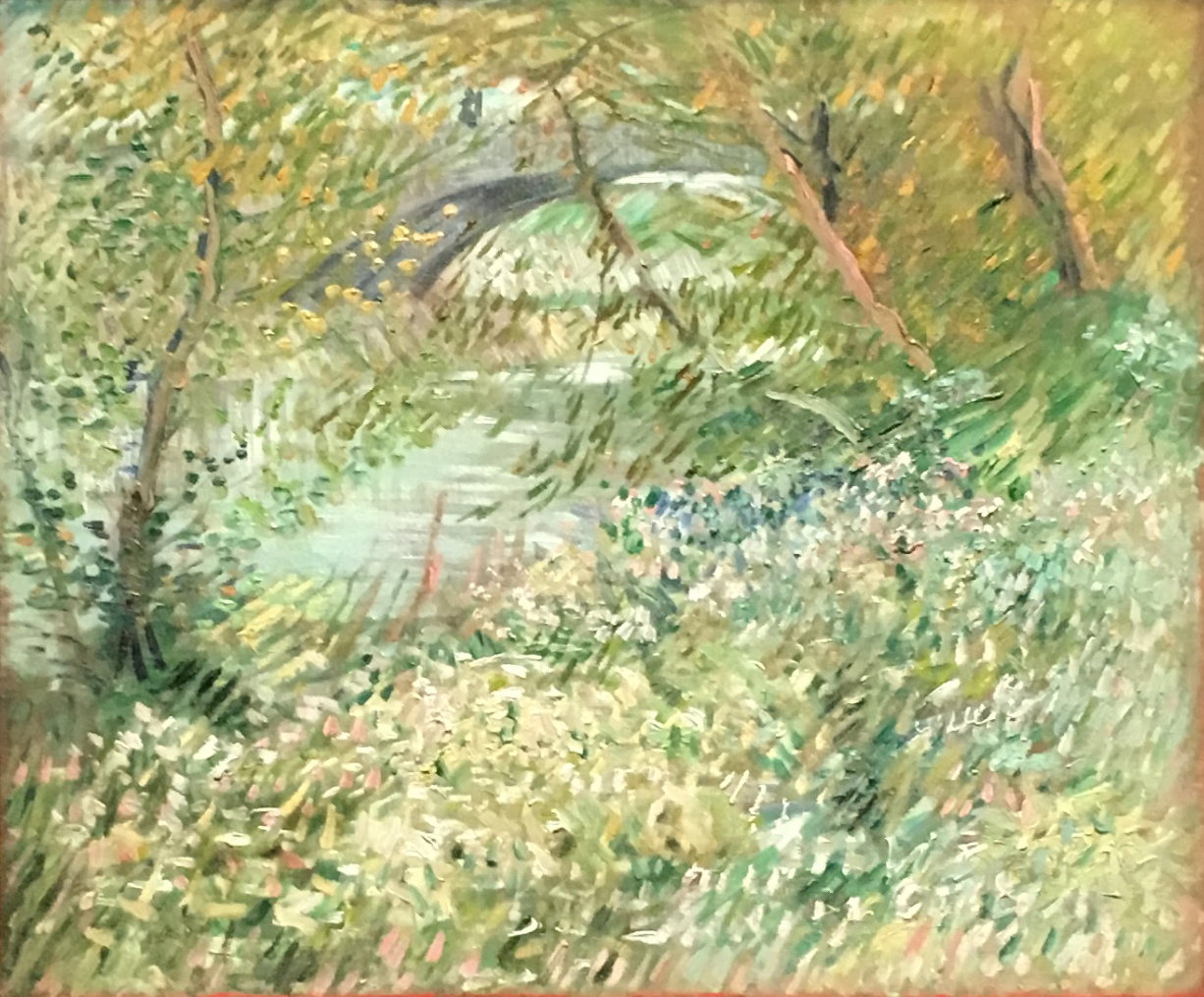
This light and delicate spring scene, however, is rendered through thick, powerful brushstrokes. The strokes are bold and unconstrained, radiating confidence and freedom. Yet they seem simultaneously unified and driven by some mysterious force. Each stroke relates to its neighbours, collectively generating new waves of energy.
This mysterious force appears to be the wind. An omnipresent wind that sets the entire scene dancing—every leaf, every blade of grass, every petal (though the rough brushwork makes distinguishing petals impossible). But you know intuitively: they are all swaying in motion!
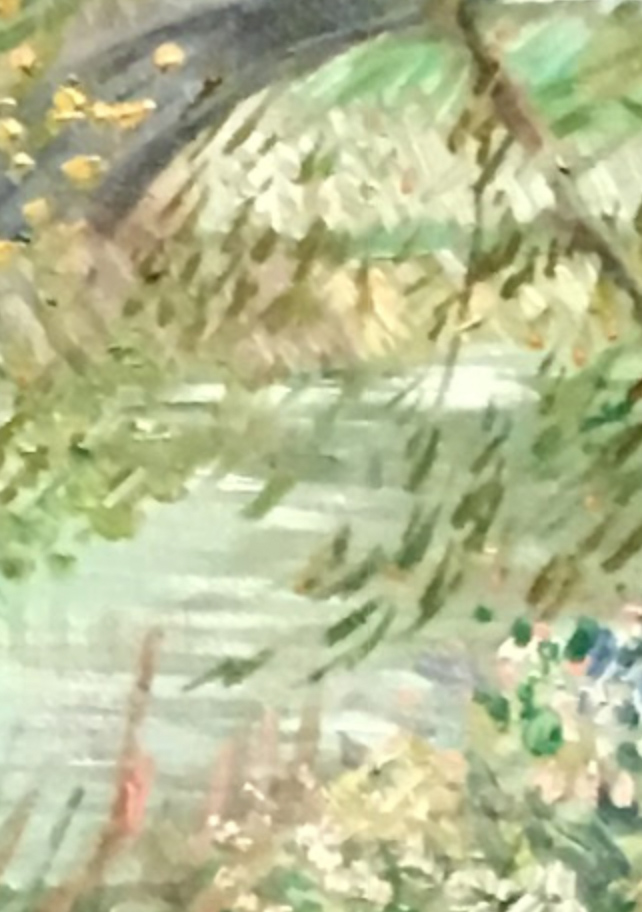
This dance, while not frantic, seems perpetual. The wind attempts to carry leaves and petals away, while branches and stems stubbornly pull them back. As this simple motion repeats countless times, as this unified movement becomes the shared rhythm of the entire pictorial world, as the branches and grass alter the wind’s direction and force—which in turn changes their own subsequent paths—a vivid yet mesmerizing world materializes.
The entire composition seems to rotate! Those powerful brushstrokes, following some inherent logic, appear to extend beyond the canvas, radiating into my surroundings, enveloping me, pulling me completely inside. I had entered the world within the painting.
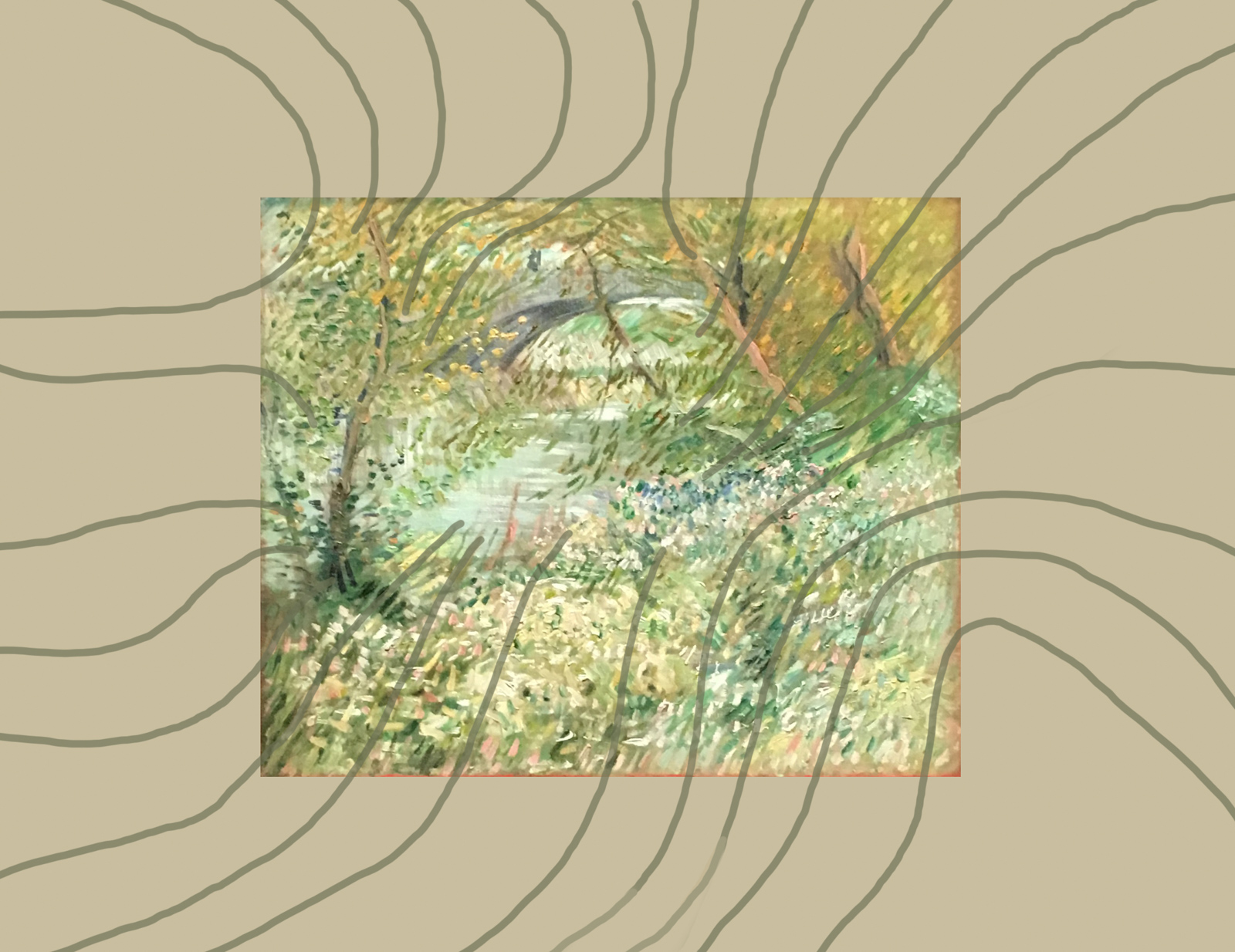
In this place I’d never visited, yet which felt strangely familiar, a faint echo of childhood’s simple joy and satisfaction surfaced. But soon, I was wrapped in a pervasive, dizzying fascination, feeling almost breathless. Then, through the dancing branches, my eyes suddenly found the steadfast bridge and the silhouette of a young woman upon it. The more chaotic the riverbank before me, the more immovable the distant bridge appeared. I felt a sudden pang in my heart. Some long-buried emotion was stirred. But the feeling was so vague and distant, evoking an inexplicable ache.
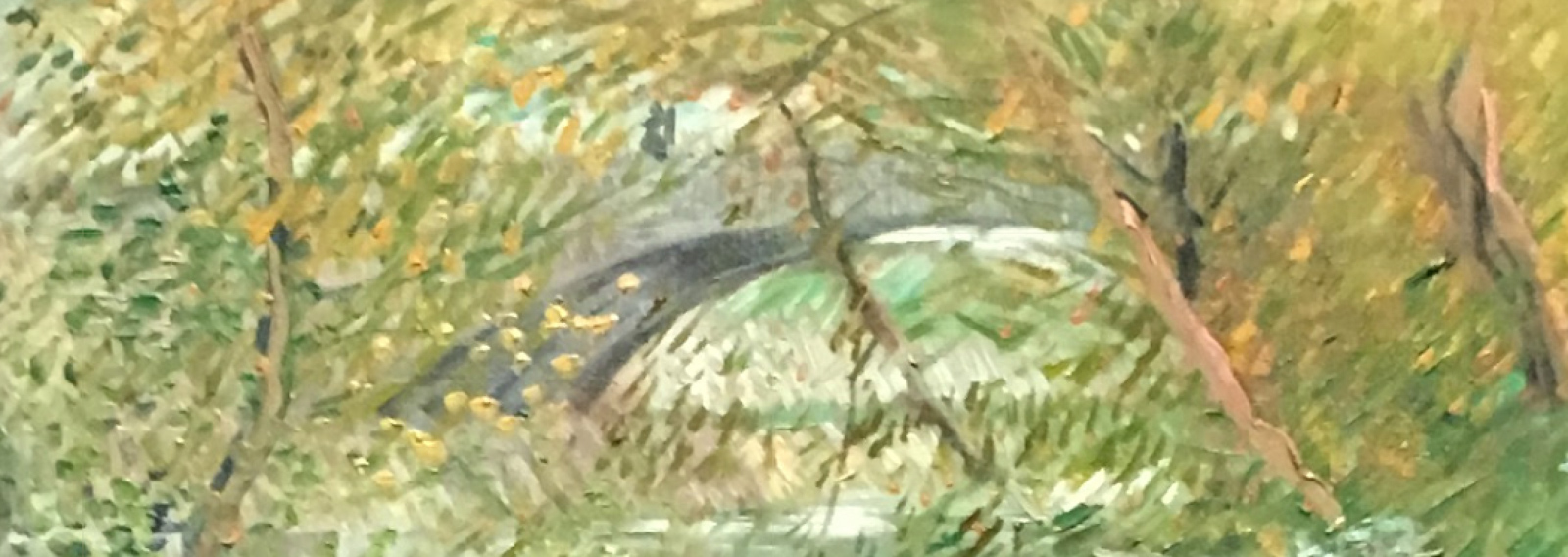
To an outsider, this might seem like unfounded melancholy? But in that moment, I knew: this painting had truly moved me.
Writing this now, over two and a half years have passed since I stood before that painting. Yet the sense of awe it inspired remains undiminished. Back then, the National Gallery of Victoria held a Van Gogh exhibition titled Van Gogh and the Seasons, gathering works on loan from museums worldwide. I visited it three times. Once with my entire family. We faced long queues; to ensure entry, we even bought a family annual membership on the spot for VIP skip-the-line access.
After the exhibition, I gradually sought out Van Gogh’s biographies, collected letters, films, and other materials, consuming them one by one. Afterwards, I found myself compelled to reflect: How was Van Gogh forged?
Part 1: External Factors
Van Gogh’s fascination lies not only in the extreme labels attached to him—madman, lunatic, no formal training, genius—nor merely in his dramatic, poignant life: destitute in life, yet his works now command astronomical prices. It’s also not solely his profound influence on later artists and modern art.
For me, at least, Van Gogh’s greatest allure is his ability to move me through his paintings.
In the first part of this article, I described an experience where a Van Gogh painting almost “sucked me in,” or its brushstrokes seemed to extend and envelop my world! That feeling remains vivid, even four or five years later.
I wondered: what experiences, encounters, struggles, and perseverance forged Van Gogh? Through my reading, I’ve formed some preliminary views:
1. A Certain Degree of Environmental Nurture
Van Gogh’s story is often dramatized and polarized. He’s frequently portrayed as starting from zero, entirely self-taught, miraculously overcoming the odds to become a master.
In reality, Van Gogh’s family was long involved in the art trade. Three of his four uncles were successful art dealers. His father was close to these uncles, often discussing art with them. Van Gogh grew up in this atmosphere.
He received his initial education from his mother and a governess, fostering an interest in drawing. He also mastered several languages and was a lifelong avid reader.
His first job was at Goupil & Cie, Europe’s largest art dealership, where the Van Gogh family held shares. He even showed promise initially, earning more than his pastor father. His uncle, also named Vincent, was the most successful art dealer among his uncles. Childless, Uncle Vincent pinned his hopes on his nephew, viewing him as a potential successor to his business and fortune.
Of course, environmental nurture doesn’t guarantee a “positive” influence. Van Gogh strongly disliked traditional art training. For instance, at 13, he was sent to a school in Tilburg where the art teacher, Huismans, was a renowned artist from Paris. But Van Gogh rejected Huismans’ methods and dropped out over a year later.
At 27, Van Gogh resolved to become a painter and enrolled at the Royal Academy of Fine Arts in Brussels. However, he intensely despised the academic approach and left after five months.
Later, he went to The Hague to study with Anton Mauve, a leading figure of the Hague School. Although Mauve was helpful, guiding him to complete his first proper work, they fell out after just a month. A key reason was Mauve’s insistence on drawing from plaster casts, while Van Gogh preferred live models. (Hence the many self-portraits—he couldn’t afford models.)
Even during his art dealership days, Van Gogh felt aversion towards the commercialization of art. The biography Lust for Life recounts an episode where the company boss found, to his fury, that Van Gogh had angrily confronted a wealthy client for wanting to buy inferior paintings, jeopardizing a major sale by bluntly criticizing her taste.
While these experiences didn’t mold Van Gogh into an “orthodox” painter or successful dealer, they undoubtedly exposed him to a vast number of artworks and cultivated considerable connoisseurship before he seriously began painting.
2. A Lifelong Supporter
Van Gogh was perhaps among the loneliest of artists. His brother Theo was his almost sole financial provider and emotional anchor. He was Van Gogh’s admirer, confidant, and dear friend.
During the last decade of Van Gogh’s brief 37-year life—encompassing his entire artistic output—his lodging, food, art supplies, and limited travels were funded almost entirely by Theo.
Their communication as confidants began much earlier. Their first surviving correspondence dates to 1872. Vincent was 19, working away from home for three years; Theo was 15, still in school.
Eighteen years later, in 1890, Vincent died. Theo, grief-stricken, followed just six months later, succumbing to illness. They are buried side by side in Auvers-sur-Oise.
As mentioned, Vincent was once seen as his uncle’s heir. Uncle Vincent, without children, appreciated this nephew who spoke five languages and had an eye for art, often assisting him. But Vincent repeatedly failed or voluntarily abandoned these “bright prospects.” His uncle, thoroughly disappointed, disinherited him, explicitly leaving him nothing. Theo, upon receiving his share, immediately invested it in Vincent’s Studio of the South project.
Most letters in The Letters of Vincent van Gogh are between the brothers. In over 700 letters to Theo, Vincent detailed his artistic progress, creative ideas, color techniques; shared daily observations and feelings; confessed his unrequited love for his cousin and his determination to marry Sien, the former prostitute; and, inevitably, made the perpetual, plaintive request: “Please send more money.”
Theo, though working in the art trade, was far from wealthy, especially in Vincent’s final years when Theo had just married and had a child, with expenses mounting. Yet his support never wavered.
Moreover, Theo introduced Vincent to emerging avant-garde painters—Pissarro, Signac, Toulouse-Lautrec, Gauguin, Cézanne—helping him refine his technique and use of color.
When Theo died, he left a wife of just eighteen months and an infant son. One might assume the couple argued over supporting the brother. The 1990 film Vincent & Theo portrays Johanna rather negatively. Her exact level of opposition is unknown, but without her, Van Gogh’s work might have remained obscure.
In fact, Johanna van Gogh-Bonger was remarkable. A top student, she worked at the British Museum and later taught. Widowed at 29 with an infant, facing a house full of unsorted paintings and old letters, she must have felt bitter and disoriented. She had been married to Theo for only a year and a half and had spent barely a week cumulatively with Vincent.
But after reading the 700 letters between the brothers, she resolved to fulfill Theo’s unrealized dream: to show the world Vincent’s paintings and establish their value.
She organized exhibitions. After a decade of persistent effort, the seventh exhibition finally drew serious attention. She compiled and published The Letters of Vincent van Gogh, now the most vital resource for understanding his work. She also sold some paintings, both to support herself and to promote his name. By 1914, 24 years after his death, after selling a Sunflowers to a London gallery, she stopped selling, as Vincent was famous and she was financially secure.
Theo and Johanna’s son, Vincent Willem van Gogh, inherited hundreds of his uncle’s works. Perhaps rebelling against the weight of this legacy, he became a mechanical engineer, never studying art. Yet he treasured the collection, selling none. He negotiated a donation with the Dutch government, leading to the Van Gogh Museum’s establishment. He donated all the paintings and letters for public display and used the $66 million from the agreement to found the Vincent van Gogh Foundation.
Thus, through the efforts of Theo, Johanna, and their son—three generations—Van Gogh’s works escaped obscurity, ultimately shining eternally in art history.
One could say: Without Theo, there would be no Van Gogh.
3. Guidance from Established Artists
Labels like “self-taught,” “eccentric,” “heretical” stick to Van Gogh. There’s truth here, but he wasn’t entirely an artist working in isolation. He actively sought mentorship.
Herman Gijsbertus Tersteeg Tersteeg, founder of the Hague Drawing Society and a prominent Dutch dealer, was a respected figure who nurtured young talent. He was also manager of Goupil’s Hague branch, where Van Gogh worked, so they knew each other well. After Van Gogh left Goupil, Tersteeg sent him instructional books. When Van Gogh seriously pursued painting, Tersteeg was his first port of call for feedback. His initial reaction to Van Gogh’s early sketches was cautious, recognizing progress but offering reserved encouragement—understandable given Van Gogh’s nascent stage. Tersteeg continued to monitor his development during the Mauve period.
Anton Mauve A leading Hague School painter, Mauve was also Van Gogh’s cousin-in-law. In late 1881, Van Gogh’s second year as a serious artist, he went to The Hague primarily to study under Mauve, who reluctantly took him on.
Under Mauve, Van Gogh’s technique improved rapidly. Crucially, Mauve introduced him to watercolors, enhancing his sense and handling of color. However, they soon fell out. Disagreements over drawing from plaster casts and Van Gogh’s relationship with Sien were surface reasons. Deeper lay Tersteeg and Mauve’s frustration at their inability to “refine” Van Gogh, to remove the “coarseness” from his work.
Years later, after Mauve’s death, a grieving Van Gogh painted Pink Peach Tree in Blossom (Souvenir de Mauve), dedicating it to his former teacher.
Fellow Painters The lonely Van Gogh did find peers. The most significant group were the avant-garde artists he met after moving to Paris in 1886, his sixth year as an artist. Theo, a gallery manager with good connections, especially among Impressionists, facilitated introductions to many rising talents.
He studied briefly at Fernand Cormon’s studio. He met Cézanne (later grouped with Van Gogh and Gauguin as Post-Impressionist masters), Pissarro (renowned Impressionist), Émile Bernard (Cloisonnist), John Peter Russell (an Australian painter admired by Monet and Matisse), Toulouse-Lautrec, Suzanne Valadon, Georges Seurat (Neo-Impressionist founder), Paul Signac, and others, plus earlier Dutch acquaintances like Anthon van Rappard. Relationships varied, but undoubtedly, these exchanges exposed him to new techniques and ideas, accelerating his maturation.
Paul Gauguin Gauguin’s stature in art history rivals Van Gogh’s. They shared starting their professional painting careers around 30. Gauguin had a richer life: childhood abroad, education in France, years as a sailor and naval recruit traveling the world, stockbroker, family man.
Both were deeply influenced by early Impressionism but developed beyond it. Gauguin, five years older, met Van Gogh in Paris in 1886, having already exhibited with the Impressionists. A year later, when Van Gogh prepared the “Yellow House” in Arles, envisioning a “Studio of the South,” only Gauguin accepted the invitation. The ensuing 62 days of intense collaboration, debate, and friction culminated in the infamous “ear incident.” This clash of titans cost Van Gogh part of his ear but heralded his artistic zenith.
4. An Era of Upheaval
Van Gogh’s miserable life invites pity. But for art history, he was fortunate to live in a transformative period.
By the late 19th century, the Industrial Revolution was 150 years old, ancient civilizations were being disrupted by Europe, and wealth concentrated there. New ideas, science, and art were fermenting. Impressionism was the most dynamic and sensational artistic movement of the time.
When Van Gogh decided to become a painter in 1880, the Impressionists had held four exhibitions, moving from suppression to recognition.
But Van Gogh only directly encountered Impressionism when he arrived in Paris in 1886, as they prepared their eighth and final exhibition.
For the previous six years, Van Gogh had struggled against tradition. He had found his artistic core: expressing sincere subjective emotion. But his means remained relatively limited, evident in the predominantly dark, somber tones of his early work.
Now, exposed to Impressionism and other influences like Japanese ukiyo-e prints, Van Gogh’s work seemed illuminated, bursting into vibrant color.
Art history often classifies Van Gogh as “Post-Impressionist,” a term sometimes misunderstood as “late Impressionism” or derivative.
A more accurate view might be: Impressionism prepared the ground for Van Gogh’s expression, particularly regarding technique and color.
Van Gogh, with his mature thought, solid theoretical foundation, and relatively robust skills, created a wholly new vision and style. Later movements like Expressionism, Fauvism, Symbolism, Abstract art, Constructivism, and Art Deco drew heavily from his work. Thus, calling Van Gogh, alongside Cézanne, a father of modern art is not excessive.
Conversely, this era of change also prepared the world for Van Gogh’s reception, making it possible for his work to be accepted posthumously.
Had Van Gogh been born in the Middle Ages, his radiant yellows would have moldered in castle crypts.
Born into a highly rigid, orthodox civilization? His heresies would likely have been rejected outright.
Consider Xu Wei, centuries earlier in Ming Dynasty China. A polymath like da Vinci, his painting was revolutionary, seeking spiritual over formal resemblance, influencing generations. Zheng Banqiao wished to be his “running dog,” Qi Baishi longed to have served him. But Xu Wei lived when Chinese classical art had peaked, steeped in rigid master-disciple traditions dictating every brushstroke’s origin. He sold almost no paintings in his lifetime. Despite other outlets like poetry, and despite painting being his least skill, he attempted suicide repeatedly. A passionate soul like Van Gogh in Ming China might never have seen his work acknowledged.
Thus, Van Gogh’s era of upheaval prepared the way for his emergence and provided the conditions for his posthumous acceptance and rising stature.
A certain environmental nurture, a lifelong supporter, guidance from masters, an era of change—if these are the external factors, we must also explore the internal ones.
Part 2: Internal Factors
Here we explore the internal drivers behind Van Gogh’s unique artistry.
Sufficiently ‘Clumsy’—Great Artifice Appears Artless
Van Gogh’s first impression is one of clumsiness.
Before deciding to paint at 27, he was a failure: repeated school dropouts; seven years in art sales ending in dismissal; theology studies aiming for the ministry ending in failure; complete financial dependence on his brother for a decade; failed romantic pursuits of his landlord’s daughter and his cousin; other relationships brought more pain than comfort. In ordinary life, Van Gogh was clumsy, incompetent.
His art was also “clumsy,” thoroughly so.
Formally, his early figures are distorted. Though he believed a painter should “be able to draw a man, woman, or child in any possible action without difficulty,” his early characters lack detail and are stiff.
This was less about inability and more about his primary focus from the start: capturing the essence and inner world of his subjects. He prioritized spiritual resemblance over formal accuracy. His figures approach those in Chinese literati painting. After Van Gogh, this “distortion” rendered through rough, vigorous strokes became a sought-after “advanced effect.”
Coloristically, his work lacks the smooth transitions and meticulous color blending of Neoclassicism or Romanticism. Though influenced by traditionalists like Rembrandt and Millet, Van Gogh differed. In his mature work, he scarcely mixed colors, applying primaries directly to canvas. Isolated patches resemble a palette fresh from the tube, pre-mixing. Yet, stepping back, the whole composition immerses the viewer, its colors so rich, transitions so magical, contrasts nearly dazzling.
His brushwork is supremely “clumsy.” Thick strokes lie bold, unapologetic, even assertive. A close-up view might suggest a child’s daub. But viewing the whole, each stroke finds its reason; those robust marks are seemingly chaotic yet ordered, as if animated by a unifying current of air. No wonder devotees claim he understood physics, astronomy, aerodynamics.
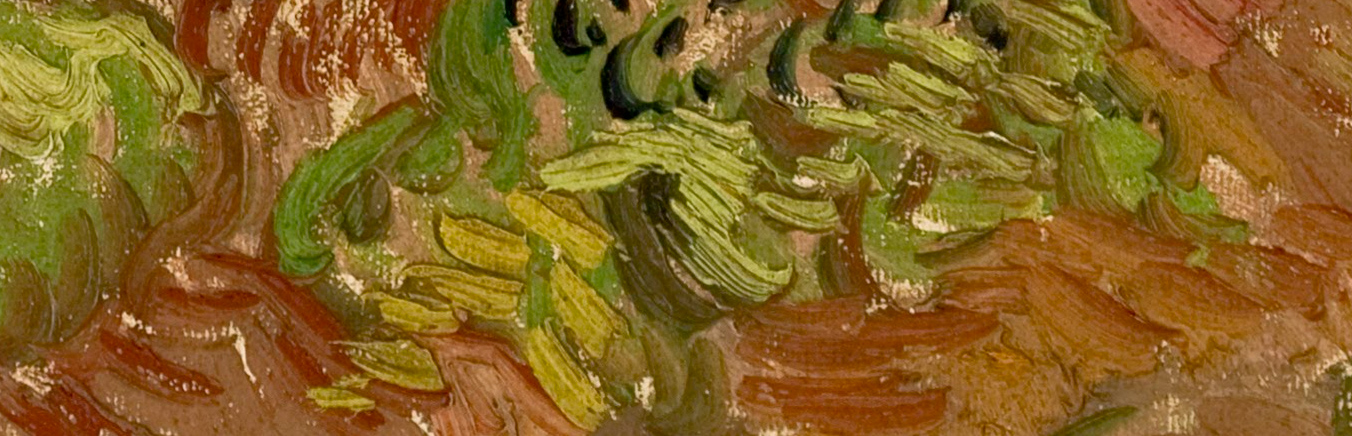
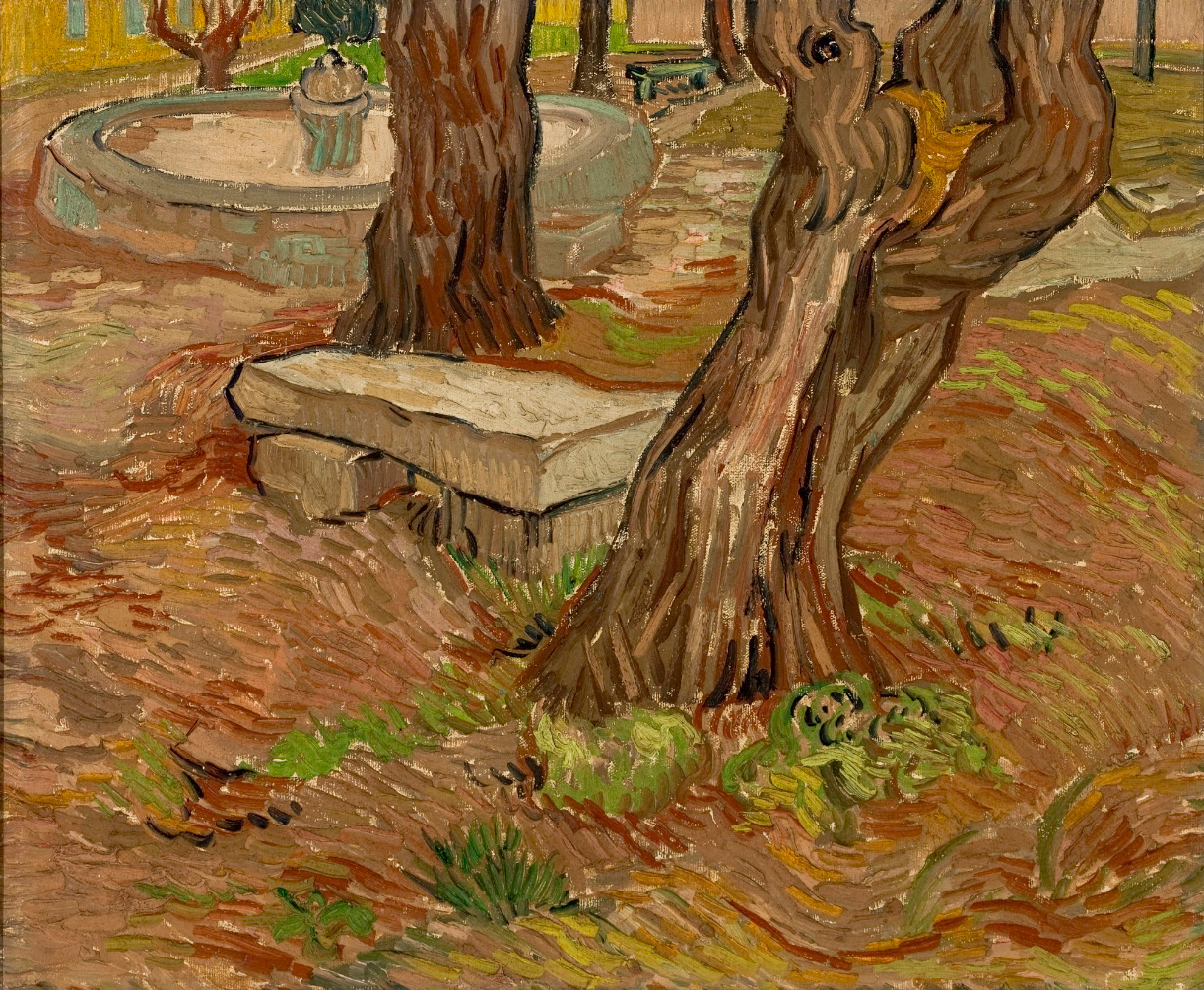
His knowledge of physics is unknown, but behind the bold strokes and daring color lies an exquisite arrangement and rationality. Consequently, Van Gogh’s works are easily imitated in style but nearly impossible to replicate in spirit. The 2017 film Loving Vincent employed 125 painters to hand-paint every frame in his style. The result is beautiful and Van Gogh-esque, but it’s style, not substance. No one could imbue a painting with such vitality and presence as Van Gogh.
Van Gogh personifies “Great artifice appears artless.”
Sufficiently Free—Following the Heart’s Desire
Van Gogh’s tragedy stems partly from selling only one painting (perhaps two) in his lifetime. Though Theo connected him with admiring artists, they weren’t buyers or influential dealers; most were too poor to purchase his work.
Van Gogh desired to live from his art. But the reality was: no patrons, no commissions, few admirers until late, even few critics. He was largely ignored.
This lack of demand, praise, or criticism, however, granted him immense freedom and space to break conventions and pursue his vision.
Crucially, this freedom wasn’t merely thrust upon him; he actively sought and insisted upon it.
With seven years in art sales and constant dialogue with his dealer brother, Van Gogh knew what sold. Yet he remained uncompromising, constantly exploring.
His departures from the Brussels Academy, breaks with Uncle Vincent and Mauve, fluctuating friendships—all stemmed from issues surrounding artistic freedom.
When Paris began to hinder his exploration, he resolutely left the art capital and Theo’s direct support.
He bore the psychological burden of dependence, yet bought expensive paints, furnished rooms for Gauguin, while subsisting on coffee and bread.
Writer Feng Jicai suggested Van Gogh’s madness granted him absolute freedom, enabling works no “sane” painter could produce. I agree his mental illness catalyzed his peak period. But undoubtedly, his freedom was a persistent pursuit from the start. Even Feng notes that during severe episodes, Van Gogh’s color control remained astonishingly precise. Thus, “madness” was a factor, but not the root cause.
Through all his choices, Van Gogh maintained near-total creative freedom. In this, he exemplified “following the heart’s desire.”
Sufficiently Ardent—A Child’s Heart
Van Gogh’s ardor leaps from the canvas, sometimes overwhelmingly so.
He was passionate and sincere, yearning for intimate, genuine connection. All his romances ended tragically. The most opposed by family was his involvement with Sien, the former prostitute. She was aged, had four children (fathers unknown), was pregnant, and in poor health.
Yet Van Gogh proposed marriage. Concerned friends and family found him irrational. This caused breaks with Tersteeg and Mauve, and city-wide gossip. Only Theo understood. Vincent promised to postpone marriage until self-sufficient.
This was Van Gogh: reciprocating Sien’s small kindness and semblance of home regardless of cost, unreservedly. This transcends naivety; it’s an uncommon ardor—a lust for life’s beauty. The biography title Lust for Life is apt.
In 1878, as a lay preacher candidate, Van Gogh was sent to the impoverished Borinage mines. He soon realized the people needed survival, not salvation.
Forgetting his mission, he helped miners however he could: descended 350-meter pits, moved into their shacks, ate their food, tended their illnesses, washed clothes, provided medicine. He spent his church salary on their needs. He persisted for months, the final weeks enduring extreme hunger and fever… until the church found him not preaching and fired him.
Thereafter, he abandoned religious for artistic salvation. Years later, when Émile Zola researched the Borinage, people still praised this unqualified preacher’s kindness.
Van Gogh possessed a heart of gold, burning with compassion. In an unkind world, he gave light and heat generously.
Such a solar passion, channeled wholly into his art, renders his works profoundly infectious!
Lust for Life contains an exaggerated yet fitting quote where Gauguin tells Van Gogh:
text “Your pictures… they seem to burst out of the canvas. When I look at your work… I get an almost uncontainable excitement. My feeling is: if your painting doesn’t explode, then I surely will.” In this sense, Van Gogh truly retained a “child’s heart.”
Sufficiently True—Unity of Thought and Action
Until the late 19th century, realism dominated Western art. But artists grew weary. Impressionists shifted focus from literal representation to light, shadow, and color. Speed was essential, so forms became patches of light, rendering became swift. But fundamentally, Impressionism remained a realism—of light and shadow, or the impression thereof.
True “xieyi” (writing the idea / expressive painting) in Western art arguably began with Van Gogh, Cézanne, Gauguin. And Van Gogh’s expressiveness was profoundly true and sincere.
Summarizing Van Gogh in one word: “True.”
Van Gogh was true to the essential beauty of things. He wanted to paint the inner force and life.
His own words explain:
When I paint a sun, I want people to feel it revolving at a terrific speed, emitting tremendous light and heat. When I paint a cornfield, I want people to feel the atoms within the kernels striving towards ripening and bursting forth. When I paint an apple tree, I want people to feel the sap pushing against the rind. When I paint a portrait, I want people to feel the man’s entire life flowing past…
This is the essential, true beauty of things. Van Gogh painted not just light, form, but life itself.
This pursuit meant his works never prioritized literal representation. Artificial form is deliberate, hypocritical; beneath the realistic depiction, his seemingly chaotic surfaces are dynamic, powerful, magical, striking the heart directly.
Why are Van Gogh’s paintings beautiful? They are true!
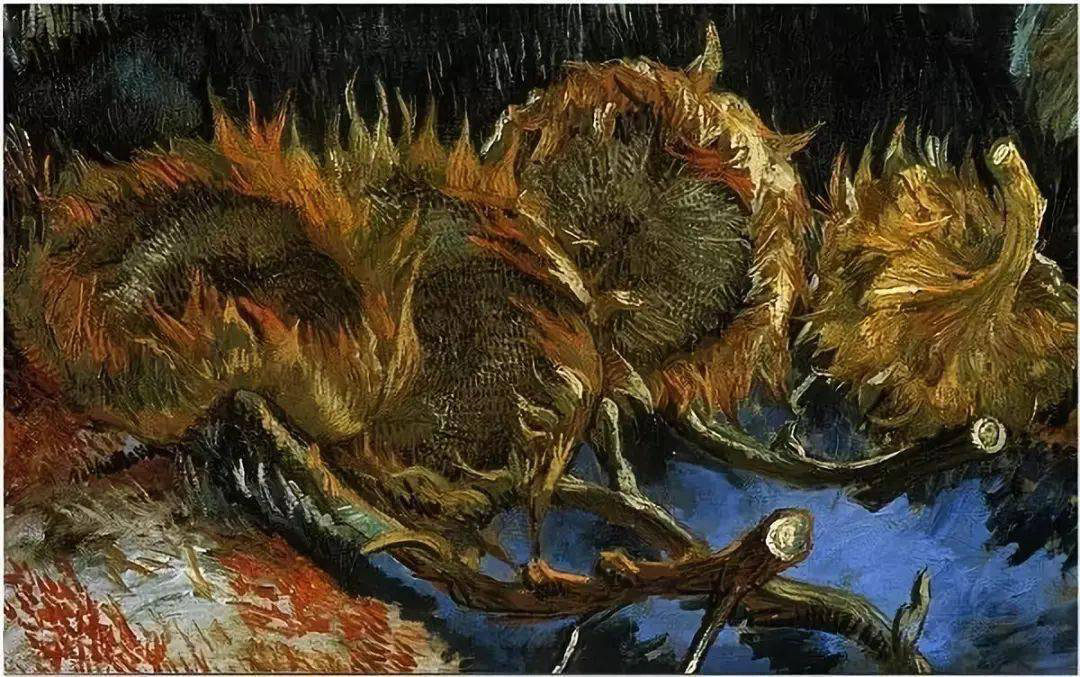
This truth permeates his entire career. Even early, immature works were observed and painted with a reverent heart—reverence for the beauty inherent in things and life itself.
In this sense, the critic Felix Fénéon was correct: “Each one of Van Gogh’s pictures is quite right.”
Van Gogh was true to real people and their lives. His innate kindness, Borinage experience, and personal hardships cemented his identity as a “peasant painter.” He revered Millet as a spiritual guide.
“Peasant painter” then held no political correctness; it meant depicting “ugly,” “low” subjects.
But for Van Gogh, the “ugly” could be beautiful, if true.
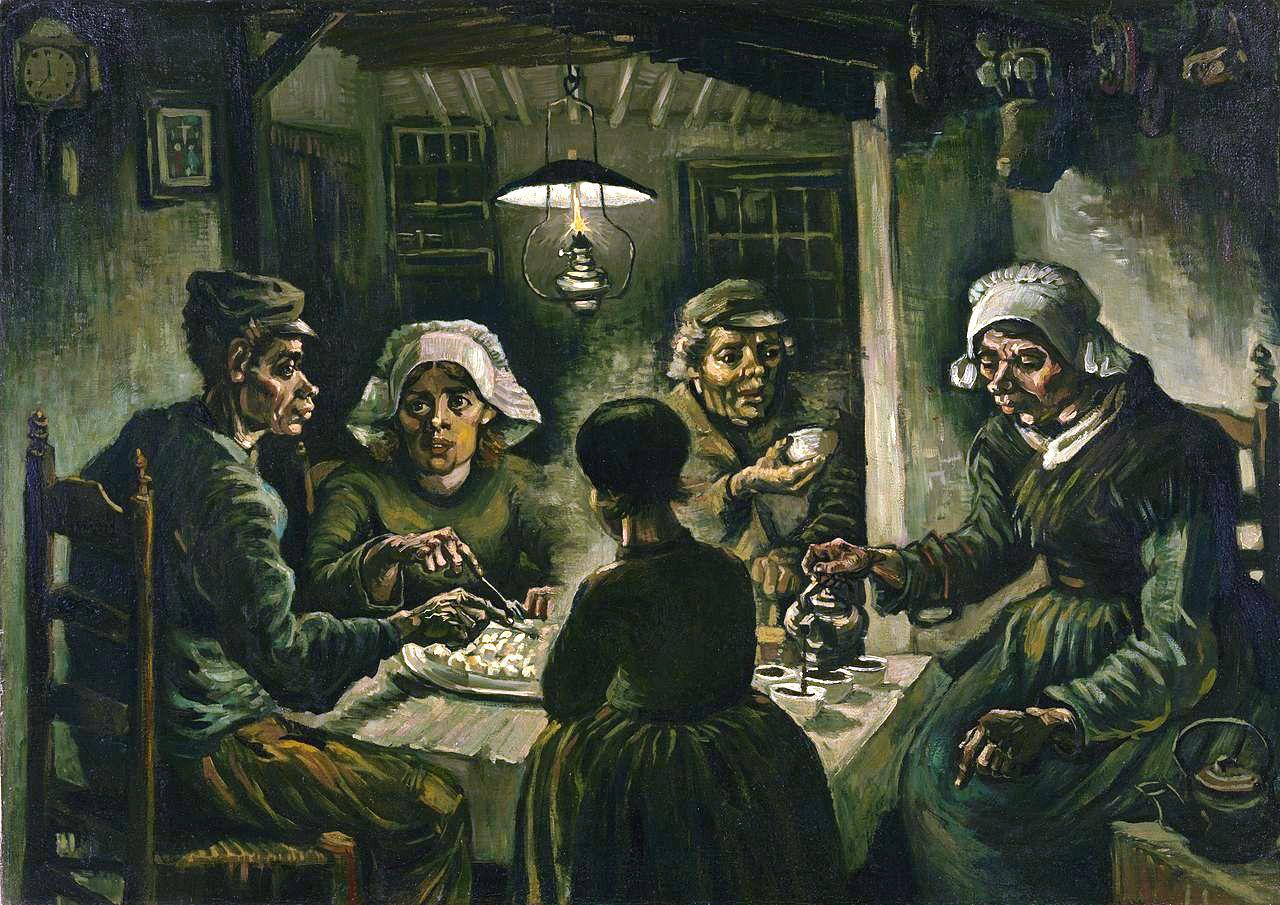
His early works abound with people in their environments: laborers, weavers, miners, passersby, thinkers under trees. They often lack detailed expressions (he couldn’t render them yet). These scenes seem mundane, detached, yet the fiery passion of Van Gogh recorded them.
Why?
Painting is time-consuming. Why would he, having defied the world, fled academy, paint such unremarkable scenes and obscure people?
Real people in real settings doing real things—this was his subject.
He said: “With goodwill, to discover life’s truth, I will spare no effort.”
He painted them not from above or below, but eye-level, as one of them. He loved them; he saw their beauty.
He wrote to Theo: “I think there is nothing more truly artistic than to love people.”
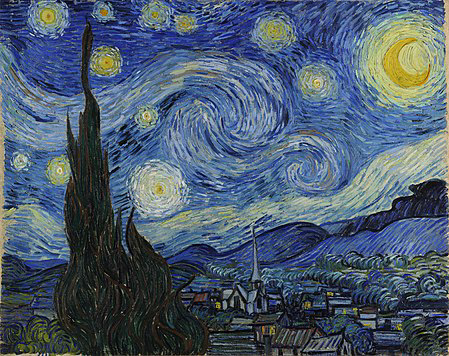
Van Gogh was true to himself. Every painting injects intense subjective emotion. Yet his subjects—landscapes, still lifes, figures—were all real scenes he witnessed. This tension creates powerful dynamism. Even the fantastical Starry Night feels incredible yet convincing—“it must be so.”
This conviction comes not only from respect for the subject’s truth but from depicting inner emotional truth.
What is his subjective emotion? I cannot define it; it must be felt individually. Different viewers see different Van Goghs. But sharing even a spark of common feeling with him enables instant communication through the artwork.
In understanding and practicing “Truth,” Van Gogh achieved “Unity of Thought and Action.”
How Was Van Gogh Forged?
Van Gogh had a certain environmental nurture, a lifelong supporter, guidance from masters, and lived in an era of change. More crucially, he was sufficiently ‘clumsy,’ sufficiently free, sufficiently ardent, and sufficiently true.
This is my answer.